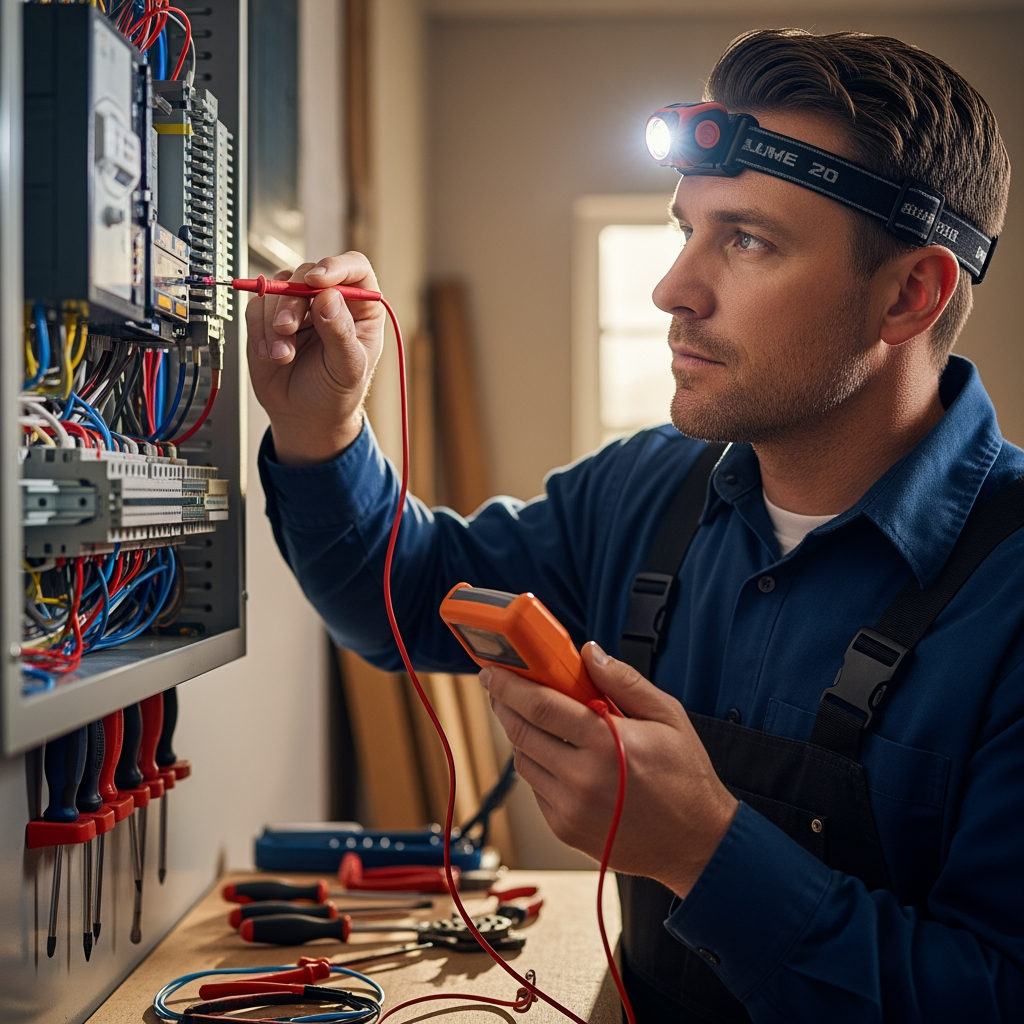
I’ve learned over the years that electrical problems rarely wait for convenience. If you’re searching for an electrician in Auburn, GA, you want clear answers, fast safety fixes, and someone who knows the neighborhoods around Fort Yargo and the GA-316 corridor. The Auburn area and nearby communities are changing quickly—population and housing trends affect demand for upgrades and new installs—and that’s why reliable local guidance matters now more than ever. For broader local demographic context, the U.S. Census Bureau provides a helpful overview of regional growth and trends that influence energy needs and infrastructure.
Why local experience matters for electrical work
Hiring an electrician who knows Auburn and the surrounding towns like Winder and Statham gives you more than convenience. Local pros understand how older homes in historic pockets and new builds along busy corridors differ when it comes to wiring, permits, and code compliance. They also know which municipal inspectors you’ll work with and the common issues that crop up here after summer storms or winter cold snaps. That local knowledge speeds up repairs and helps avoid repeat visits.
Common electrical problems I see in homes around the city
Across the area I work with, a few recurring pain points keep appearing: flickering lights, frequently tripped breakers, outlets that feel warm to the touch, and outdated electrical panels that haven’t kept pace with modern appliance loads. These are not just annoyances—they’re early warning signs of potentially dangerous conditions like overloaded circuits or degraded wiring insulation. Addressing these problems early reduces fire risk and keeps small problems from becoming costly emergencies.
Trending electrical topics you should know about
Two big trends are shaping how local homeowners and businesses plan electrical projects:
- EV charger installations. As more people in this region consider electric vehicles, demand for safe, dedicated EV circuits and Level 2 chargers at homes and small businesses is rising fast. Proper placement, dedicated breakers, and future-proofing the panel are essential.
- Smart panels and energy management. Homeowners are upgrading to panels that integrate load monitoring and smart breakers. These systems help manage peak demand, prepare for solar expansions, and reduce outage recovery time.
Both trends tie back to one point: modern electrical work is about planning. A single panel upgrade can make future EV charging or solar hookups far simpler and cheaper.
Checklist—When to call an electrician now
Some issues demand immediate attention. If you notice any of these signs, call a qualified local technician rather than attempting DIY fixes that could make matters worse.
- Frequent breaker trips or breakers that won’t reset
- Hot or discolored outlets and switches
- Burning smells, visible sparks, or scorch marks near fixtures
- Lights that flicker across multiple rooms or dim when appliances run
What a good local electrician will do on the first visit
During an initial inspection, expect a clear process: a visual safety check, targeted testing of suspicious circuits, and a walk-through to identify appliances and loads that may require attention. I always look for evidence of improper DIY work, old wiring types that need replacement, and signs that a panel lacks capacity for today’s electrical demands. A professional should explain findings in plain language, outline immediate safety steps, and provide a transparent estimate for repairs or upgrades.
How to prepare for that first visit
Preparing before the technician arrives speeds diagnostics and lowers the chance of missed issues. Here are practical steps that make the visit more efficient and useful.
- Make a list of where and when problems occur—which outlets, which appliances, and the times of day you notice them.
- Clear access to the electrical panel, attic access, and any crawl spaces the electrician may need to inspect.
- Note any recent projects or changes, such as new appliances, remodeling, or DIY wiring attempts.
Residential services homeowners request most
Homeowners across Auburn often prioritize safety upgrades and modern conveniences. Common services include:
- Electrical panel upgrades to support EV chargers and larger HVAC systems
- Whole-home surge protection to protect appliances and electronics
- LED lighting retrofits and fixture replacements to cut energy costs
- Rewiring older homes and replacing degraded outlets and switches
These projects not only improve day-to-day comfort and safety but also raise resale value and align homes with modern code requirements.
Commercial electrical needs for small businesses in the area
Local businesses around the city center and along highway corridors need reliable power to stay open. I work with small retail shops, cafes, and service providers who require:
- Code-compliant additions and tenant improvements
- Emergency lighting and exit signage installs
- Dedicated circuits for refrigeration, HVAC, and point-of-sale equipment
- Preventive maintenance plans to reduce downtime
For businesses, even short outages or wiring problems can mean lost revenue and customer trust. Preventive inspections and properly sized electrical systems avoid those costly interruptions.
How to prioritize electrical upgrades for older homes
Many homes in the area were built decades ago and face unique challenges: undersized panels, cloth-insulated wiring, and old knob-and-tube runs. When I evaluate older properties, I prioritize life-safety upgrades first and then plan improvements that bring systems up to modern living standards. That means addressing carbon monoxide alarm wiring, ensuring smoke detectors are properly interconnected, and replacing hazardous wiring types as a matter of urgency.
Step-by-step approach I recommend
Here’s a simple sequence to guide decisions if your home is aging or you’re buying a property in the city:
- Start with a safety inspection to identify immediate hazards like aluminum branch circuits or deteriorated insulation.
- Upgrade the main panel if it lacks capacity for current appliance loads or EV chargers.
- Add dedicated circuits for high-draw appliances and modern conveniences.
- Plan long-term improvements like whole-home surge protection and smart panels that facilitate future renewable energy integration.
Seasonal tips for staying safe and energy-smart
Seasonal weather affects electrical systems here. Summer storms can overload trees and lines, while colder months can expose failing cables. I recommend a couple of practical habits:
- Trim trees away from power lines and outdoor fixtures to reduce outage risk during storms.
- Test GFCI and AFCI outlets regularly; these devices prevent shocks and mitigate fire hazards.
These low-effort steps often prevent larger problems and keep utility bills manageable through better lighting and equipment efficiency.
Permits, inspections, and code. What to expect in this area
Electrical work typically requires permits and municipal inspections. A local electrician will pull the right permits and schedule inspections on your behalf, ensuring the work meets current codes. That’s important not just for safety, but also for insurance compliance and future resale. When I plan jobs, I factor permit timelines and inspection windows into the project schedule so you aren’t surprised by delays.
How I price and scope common jobs
Transparent pricing is one of the most requested features by homeowners and business owners. Typical cost factors include labor, parts, permit fees, and the complexity of accessing wiring. For example, a simple outlet replacement is priced differently than installing a new dedicated circuit for an EV charger that requires a subpanel or conduit work. A good estimate breaks down those elements and explains any options that save time or money in the long term.
Real-world examples of problem-solving in the local area
I’ve helped a range of homeowners and small businesses solve issues common to this region: a family who needed a panel upgrade before buying an EV, an older bungalow with flickering lights traced to a degrading neutral, and a coffee shop that avoided a costly weekend closure thanks to a preventive maintenance check that identified a failing compressor circuit. Those wins all share a common thread: early, local, and skilled intervention.
Questions you should ask when booking an electrician
When you call for service, asking the right questions protects your time and money. I always encourage clients to clarify qualifications and expectations up front. Here are a few essential questions to ask:
- Are you licensed and insured in Georgia, and can you provide references from local customers?
- Will you obtain permits and arrange inspections if required?
- Do you provide written estimates and a clear timeline for completion?
- What warranties or guarantees apply to parts and labor?
Final thoughts—choosing the right local partner
Choosing an electrician in Auburn, GA, is about trust, clarity, and local know-how. Whether you’re dealing with an urgent safety issue or planning upgrades for EV readiness and energy efficiency, pick someone who communicates clearly, follows code, and plans for the future. Local expertise shortens response time, simplifies permitting, and reduces the risk of repeat problems.
If you’re ready to schedule an inspection, get a second opinion, or plan a comprehensive upgrade for a home or small business in Auburn, I recommend calling a service that stands behind its work and knows this area well. For trusted local electrical services, reach out to Thunderbolt Electric.